Thailand, Vietnam chase growth
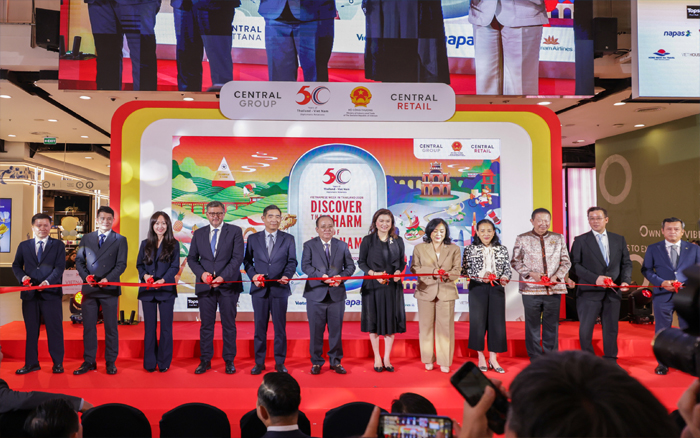
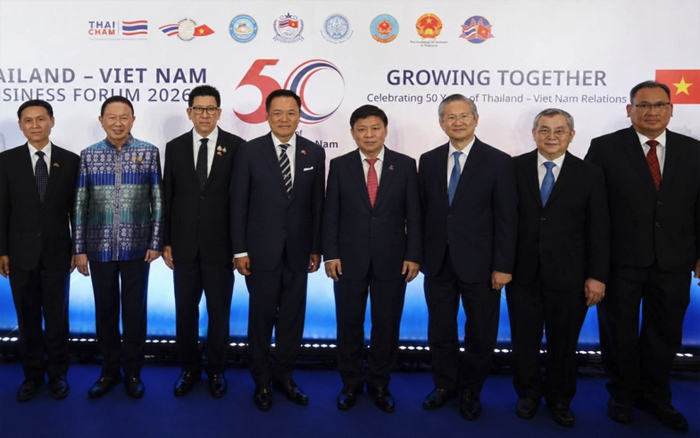
As Thailand and Vietnam mark the 50th anniversary of diplomatic relations in 2026, the relationship between two countries is entering a new era. What began as a diplomatic relationship between close neighbours has evolved into one of Asean's most important economic partnerships.
Recent high-level exchanges have reflected this growing momentum. Thailand and Vietnam elevated their relationship to a Comprehensive Strategic Partnership last year with the aim to focus on the "Three Connects" strategy to promote their economic connection in three major areas namely supply chains, local economies and sustainable development.
Vietnamese President and Communist Party General Secretary To Lam visited Thailand in May 2026 while Thailand's prime minister Anutin visited Vietnam in June 2026, as the two countries prepared to commemorate the 50th anniversary of formal diplomatic ties on today.
These visits were more than symbolic. They signalled a shared commitment to turn friendship into practical outcomes, with both governments focusing on trade, investment, innovation, supply chains, sustainable development and future industries. Their timing could not be better.
The world is undergoing one of the biggest shifts in global manufacturing and supply chains in decades. Companies are diversifying production networks, seeking greater resilience and looking beyond individual markets towards integrated regional ecosystems. Against this backdrop, Thailand and Vietnam have an opportunity to create something greater than the sum of their individual economies.
For many years, Thailand and Vietnam were often viewed as competitors for investment. Today, that thinking is becoming outdated. The real opportunity lies not in competition, but in complementarity.
Vietnam is one of Asia's most dynamic manufacturing centres. With a population of more than 100 million, a young workforce, rising productivity and a rapidly expanding middle class, it is also an increasingly attractive consumer market and with GDP growing by 8.02% in 2025 it is one of the fastest growing economies in the world.
Thailand brings different but equally valuable strengths. Decades of investment have created sophisticated transport infrastructure, deep logistics networks, advanced industrial capabilities, strong financial institutions and extensive international business connections. Thailand remains one of Asean's most established bases for regional headquarters, treasury operations, supply-chain management and cross-border
business services.
By combining these strengths, we can create a powerful economic corridor.
The foundations already exist. Thailand is Vietnam's largest Asean trading partner within, while Vietnam is Thailand's Asean second-largest trading partner. Bilateral trade is already worth more than US$24 billion (797 billion baht) a year, and both governments have expressed their commitment to expand it further. Thailand is also among Vietnam's leading foreign investors, with more than 700 Thai companies involved in hundreds of projects worth more than US$ 5 billion.
The next phase of growth, however, is likely to look very different from the last. Historically, much Thai investment in Vietnam has centred on retail, consumer products and industrial estates. These sectors will remain important, but the new opportunities are higher up the value chain: electric vehicles, advanced manufacturing, smart industrial cities, food innovation, renewable energy, digital technologies and integrated logistics systems.
Thailand has long been known as the 'Detroit of Asia' and possesses extensive expertise in automotive supply chains, parts manufacturing and industrial production.
Vietnam has been rapidly developing manufacturing capabilities and nurturing domestic champions in the EV sector. Together, we can create a more integrated regional ecosystem that is attractive to global investors seeking alternatives to concentrated supply chains.
The same logic applies to food and agriculture. Vietnam is a major agricultural producer and exporter. Thailand possesses world-class expertise in food processing, branding, packaging, quality standards, logistics and international distribution.
Combining these capabilities could create new value-added export opportunities and strengthen regional food security.
As manufacturers increasingly seek low-carbon production, demand for renewable energy is rising across Southeast Asia. Cooperation in solar power, wind energy, sustainable infrastructure and green industrial development could help both countries achieve their climate goals while also supporting industrial growth.
For businesses, the message is clear. Companies that integrate Vietnamese manufacturing strengths with Thailand's logistics, financial services and regional connectivity will be best placed to capture the next wave of Asean growth.
Tharabodee Serng-Adichaiwit is SVP & General Manager, Bangkok Bank Vietnam.
Bangkok Post
August 6, 2026
ถอดความเป็นภาษาไทย :
ไทย-เวียดนาม เร่งเครื่องสร้างการเติบโต
ในโอกาสที่ประเทศไทยและประเทศเวียดนามร่วมเฉลิมฉลองครบรอบ 50 ปีแห่งความสัมพันธ์ทางการทูตในปี 2026 ความสัมพันธ์ระหว่างสองประเทศกำลังก้าวเข้าสู่ยุคใหม่ จากจุดเริ่มต้นของความสัมพันธ์ทางการทูตระหว่างประเทศเพื่อนบ้านที่ใกล้ชิด ได้วิวัฒนาการมาสู่การเป็นหนึ่งในหุ้นส่วนทางเศรษฐกิจที่สำคัญที่สุดของอาเซียน
การแลกเปลี่ยนการเยือนระดับสูงเมื่อเร็ว ๆ นี้สะท้อนให้เห็นถึงแรงขับเคลื่อนที่เติบโตขึ้นอย่างต่อเนื่อง โดยไทยและเวียดนามได้ยกระดับความสัมพันธ์สู่การเป็นหุ้นส่วนยุทธศาสตร์ครอบคลุม (Comprehensive Strategic Partnership) เมื่อปีที่ผ่านมา พร้อมมุ่งเน้นกลยุทธ์ "เชื่อมโยง 3 ด้าน" (Three Connects) เพื่อส่งเสริมความเชื่อมโยงทางเศรษฐกิจใน 3 ด้านหลัก ได้แก่ ห่วงโซ่อุปทาน เศรษฐกิจท้องถิ่น และการพัฒนาที่ยั่งยืน
ประธานาธิบดีและเลขาธิการใหญ่พรรคคอมมิวนิสต์เวียดนาม โต เลิม (To Lam) ได้เดินทางเยือนประเทศไทยในเดือนพฤษภาคม 2026 ขณะที่นายกรัฐมนตรีอนุทิน ชาญวีรกูล ของไทย ได้เดินทางเยือนเวียดนามในเดือนมิถุนายน 2026 ในช่วงที่ทั้งสองประเทศเตรียมการเฉลิมฉลองครบรอบ 50 ปีการสถาปนาความสัมพันธ์ทางการทูตอย่างเป็นทางการในวันนี้
การเยือนเหล่านี้มีความหมายมากกว่าแค่เชิงสัญลักษณ์ โดยเป็นการแสดงเจตจำนงร่วมกันที่จะเปลี่ยนมิตรภาพให้เกิดผลสัมฤทธิ์ในทางปฏิบัติ ซึ่งทั้งสองรัฐบาลต่างมุ่งเน้นในเรื่องการค้า การลงทุน นวัตกรรม ห่วงโซ่อุปทาน การพัฒนาที่ยั่งยืน และอุตสาหกรรมแห่งอนาคต ซึ่งถือเป็นช่วงเวลาที่เหมาะสมอย่างยิ่ง
โลกกำลังเผชิญกับการเปลี่ยนแปลงครั้งใหญ่ที่สุดในรอบหลายทศวรรษด้านการผลิตและห่วงโซ่อุปทานระดับโลก บริษัทต่าง ๆ กำลังกระจายเครือข่ายการผลิตเพื่อแสวงหาความยืดหยุ่นที่สูงขึ้น และมองข้ามการพิจารณาเพียงแค่ตลาดเดียว แต่มุ่งไปสู่ระบบนิเวศระดับภูมิภาคที่เชื่อมโยงกัน ท่ามกลางบริบทนี้ ไทยและเวียดนามจึงมีโอกาสที่จะสร้างสรรค์สิ่งที่ยิ่งใหญ่กว่าการแยกกันทำตามลำดับ
เป็นเวลาหลายปีที่ไทยและเวียดนามมักถูกมองว่าเป็นคู่แข่งในการดึงดูดการลงทุน แต่ในปัจจุบัน แนวคิดดังกล่าวเริ่มล้าสมัยแล้ว โอกาสที่แท้จริงไม่ได้อยู่ที่การแข่งขัน หากแต่อยู่ที่การส่งเสริมและเติมเต็มซึ่งกันและกัน
เวียดนามเป็นหนึ่งในศูนย์กลางการผลิตที่คล่องตัวที่สุดในเอเชีย ด้วยจำนวนประชากรมากกว่า 100 ล้านคน กำลังแรงงานวัยหนุ่มสาว ผลิตภาพที่สูงขึ้น และชนชั้นกลางที่ขยายตัวอย่างรวดเร็ว เวียดนามจึงเป็นตลาดผู้บริโภคที่ทรงดึงดูดมากขึ้นเรื่อย ๆ โดยมีอัตราการเติบโตทางเศรษฐกิจ (GDP) สูงถึง 8.02% ในปี 2025 ทำให้เป็นหนึ่งในเศรษฐกิจที่เติบโตเร็วที่สุดในโลก
ในขณะเดียวกัน ประเทศไทยก็มีความแข็งแกร่งที่แตกต่างกันแต่มีมูลค่าไม่แพ้กัน การลงทุนหลายทศวรรษได้สร้างโครงสร้างพื้นฐานการขนส่งที่ซับซ้อน ศักยภาพด้านโลจิสติกส์ที่ลึกซึ้ง ศักยภาพอุตสาหกรรมขั้นสูง สถาบันการเงินที่เข้มแข็ง และเครือข่ายธุรกิจระหว่างประเทศที่ครอบคลุม ประเทศไทยยังคงเป็นหนึ่งในฐานการดำเนินงานสำนักงานใหญ่ระดับภูมิภาค การบริหารจัดการห่วงโซ่อุปทาน และบริการธุรกิจข้ามพรมแดนที่มั่นคงที่สุดแห่งหนึ่งในอาเซียน
การผนึกกำลังจากจุดแข็งเหล่านี้ จะทำให้เราสามารถสร้างระเบียงเศรษฐกิจที่ทรงพลังร่วมกันได้
ฐานรากที่แข็งแกร่งนี้มีอยู่นานแล้ว โดยประเทศไทยเป็นคู่ค้ารายใหญ่ที่สุดของเวียดนามในอาเซียน ขณะที่เวียดนามเป็นคู่ค้ารายใหญ่อันดับสองของไทยในอาเซียน มูลค่าการค้าระหว่างสองฝ่ายมีมูลค่ามากกว่า 24,000 ล้านดอลลาร์สหรัฐ (ประมาณ 797,000 ล้านบาท) ต่อปี และทั้งสองรัฐบาลได้แสดงความมุ่งมั่นที่จะขยายมูลค่านี้ให้เพิ่มขึ้นอีก นอกจากนี้ ไทยยังเป็นหนึ่งในนักลงทุนต่างชาติชั้นนำของเวียดนาม โดยมีบริษัทไทยมากกว่า 700 บริษัท เข้าไปลงทุนในโครงการต่าง ๆ มูลค่ารวมกว่า 15,000 ล้านดอลลาร์สหรัฐ
อย่างไรก็ตาม ระยะต่อไปของการเติบโตมีแนวโน้มที่จะแตกต่างอย่างมากจากในอดีต ซึ่งในอดีตการลงทุนของไทยในเวียดนามส่วนใหญ่จะกระจุกตัวอยู่ในธุรกิจค้าปลีก สินค้าอุปโภคบริโภค และนิคมอุตสาหกรรม แม้ว่าภาคส่วนเหล่านี้จะยังคงมีความสำคัญ แต่โอกาสใหม่ ๆ กลับอยู่ในระดับที่สูงขึ้นของห่วงโซ่มูลค่า เช่น ยานยนต์ไฟฟ้า (EV) การผลิตขั้นสูง เมืองอุตสาหกรรมอัจฉริยะ นวัตกรรมอาหาร พลังงานหมุนเวียน เทคโนโลยีดิจิทัล และระบบโลจิสติกส์แบบครบวงจร
ประเทศไทยได้รับการขนานนามว่าเป็น "ดีทรอยต์แห่งเอเชีย" มาอย่างยาวนาน และมีความเชี่ยวชาญอย่างกว้างขวางในห่วงโซ่อุปทานยานยนต์ การผลิตชิ้นส่วน และการผลิตเชิงอุตสาหกรรม ส่วนเวียดนามก็ได้รับการพัฒนาศักยภาพด้านการผลิตอย่างรวดเร็วและกำลังสร้างแชมเปี้ยนระดับประเทศในภาคยานยนต์ไฟฟ้า เมื่อรวมกันแล้ว เราสามารถสร้างระบบนิเวศระดับภูมิภาคที่เชื่อมโยงกันได้ดีขึ้น ซึ่งจะดึงดูดนักลงทุนทั่วโลกที่กำลังมองหาทางเลือกใหม่นอกเหนือจากห่วงโซ่อุปทานที่กระจุกตัว
ตรรกะเดียวกันนี้สามารถนำมาใช้กับภาคอาหารและเกษตรกรรม เวียดนามเป็นผู้ผลิตและส่งออกสินค้าเกษตรรายใหญ่ ขณะที่ไทยมีความเชี่ยวชาญระดับโลกด้านการแปรรูปอาหาร การสร้างแบรนด์ บรรจุภัณฑ์ มาตรฐานคุณภาพ โลจิสติกส์ และการกระจายสินค้าไปทั่วโลก การรวมศักยภาพเหล่านี้เข้าด้วยกันจะสามารถสร้างโอกาสการส่งออกที่มีมูลค่าเพิ่มใหม่ ๆ และเสริมสร้างความมั่นคงทางอาหารในภูมิภาค
เนื่องจากผู้ผลิตมุ่งเน้นการผลิตที่ปล่อยคาร์บอนต่ำมากขึ้น ความต้องการพลังงานหมุนเวียนจึงเพิ่มสูงขึ้นทั่วภูมิภาคเอเชียตะวันออกเฉียงใต้ ความร่วมมือในด้านพลังงานแสงอาทิตย์ พลังงานลม โครงสร้างพื้นฐานที่ยั่งยืน และการพัฒนาอุตสาหกรรมสีเขียว จะช่วยให้ทั้งสองประเทศบรรลุเป้าหมายด้านสภาพภูมิอากาศ พร้อม ๆ กับสนับสนุนการเติบโตทางอุตสาหกรรม
สำหรับภาคธุรกิจ สารที่ส่งออกไปนั้นชัดเจน บริษัทที่สามารถบูรณาการจุดแข็งด้านการผลิตของเวียดนาม เข้ากับบริการด้านโลจิสติกส์ การเงิน และความเชื่อมโยงระดับภูมิภาคของไทย จะอยู่ในจุดที่ดีที่สุดในการคว้าโอกาสจากคลื่นลูกใหม่แห่งการเติบโตของอาเซียน
ที่มา Bangkok Post
วันที่ 6 สิงหาคม 2569